





Bing visual search
Bing Official: See and Search | Bing Visual Search
Tags:Image searchAI Technology Bing Image Recognition Reverse Image Search visual search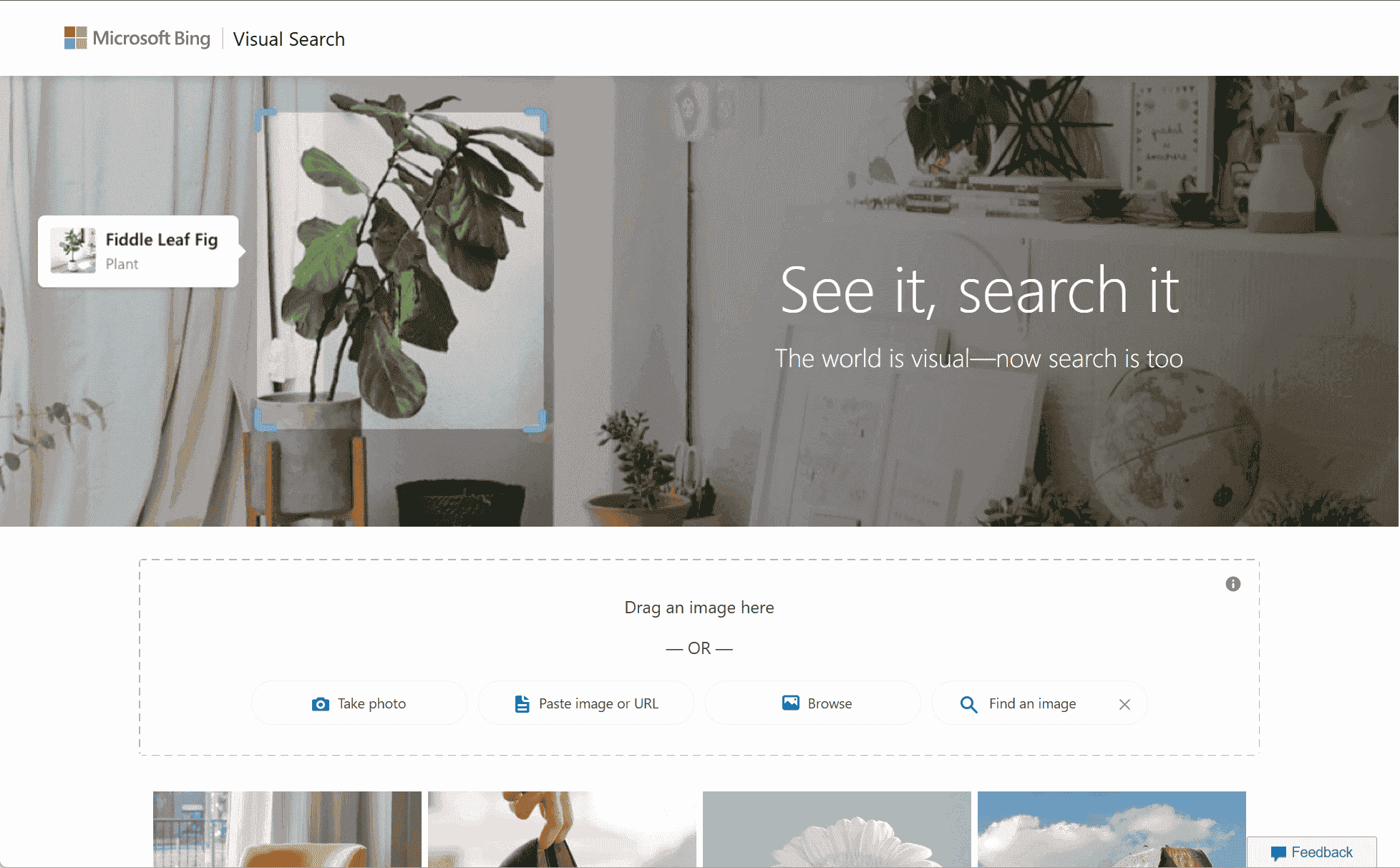
Introduction
Bing Visual Search revolutionizes the way users interact with search engines by allowing them to search the web using images instead of text. This innovative feature uses advanced image recognition to identify objects, places, and products, providing relevant results based on visual input.
Core Features
-
Image-Based Search: Users can upload an image, paste a URL, or use a camera to initiate a search and discover visually similar content and contextual information.
-
Object Recognition: The tool can recognize specific elements in an image such as animals, landmarks, food, or fashion items, and deliver detailed insights.
-
Shopping Integration: Bing Visual Search helps users locate products online by identifying items within an image and linking to sources for similar or identical products.
-
Cross-Platform Use: This feature is accessible through Bing on desktop and mobile, integrated into Microsoft Edge, and used in devices with built-in visual search tools.
User Experience
Bing Visual Search features a clean and easy-to-use interface. With just a simple drag-and-drop or a camera click, users can find rich results that include related images, product listings, or informative descriptions—all delivered quickly and accurately.
Applications
-
Education: Students and teachers can explore and identify unfamiliar objects or landmarks to support learning.
-
Travel: Travelers can upload photos to identify destinations and attractions, enriching trip planning.
-
E-commerce: Shoppers can search for similar items by uploading photos, streamlining the product discovery process.
-
Creative Projects: Designers and marketers can source inspiration through similar images and visual trends.
Conclusion
Bing Visual Search transforms traditional search into a visual-first experience. Its capabilities in image analysis and contextual matching make it a powerful tool for anyone who prefers seeing over typing. Whether for learning, shopping, or discovery, this tool enhances how we engage with the digital world.
data statistics
Relevant Navigation