



Fukushima, Japan, Ten Years After the Nuclear Leak: Transformed into a Wildlife Paradise
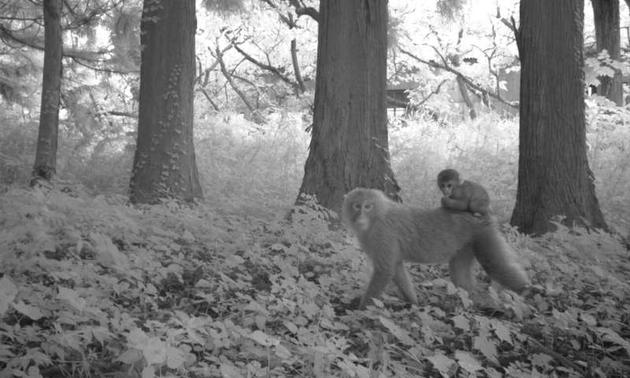
1.A research report reveals that over 267,000 wildlife photos taken in Fukushima, Japan, have documented more than 20 species, including wild boars, Japanese hares, macaques, pheasants, foxes, and raccoons.
According to media reports, a recent study by the University of Georgia suggests that the Fukushima nuclear disaster initially turned the area into a desolate wasteland, devoid of human life. However, a decade later, it has transformed into a thriving haven for wildlife, with a diverse range of species now inhabiting the region.
The study, based on camera footage, was published in Frontiers in Ecology and the Environment. It found that more than 267,000 images captured in Fukushima have recorded over 20 different animal species, including wild boars, Japanese hares, macaques, pheasants, foxes, and tanuki (a close relative of foxes).
James Beasley, a wildlife biologist at the University of Georgia, stated: “Years after the Chernobyl and Fukushima nuclear accidents, both scientists and the public remain deeply interested in the survival of wildlife in these areas, hoping to better understand the impact of radiation exposure on different species.”
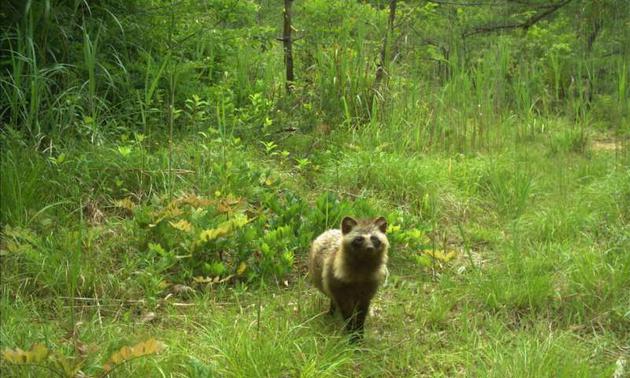
2.The image shows a tanuki foraging for food.
Previous research reports have revealed the survival status of wildlife around the Chernobyl nuclear power plant, and now scientists have turned their attention to Fukushima, Japan, a decade after its nuclear leakage incident.
Beasley noted that our study is the first to confirm that despite radiation contamination in Fukushima, a significant number of wild animals continue to thrive in the evacuation zone, with over 20 different species present. Camera traps captured images of species known to have conflicts with humans in the evacuation zone—especially wild boars—which indicates a dramatic increase in their population once people left.
Professor Thomas Hinton from the Fukushima University Institute of Environmental Radioactivity and his team identified three areas in Fukushima with notable biodiversity. The photographic data was collected from 106 camera trap sites in these areas: a high-radiation no-man’s land; a moderate-radiation zone with restricted human activity; and a low-radiation area where people can live.
Over a 120-day period, camera traps recorded 46,000 images of wild boars—26,000 of which were from the no-man’s land, 13,000 from the restricted zone, and 7,000 from the habitable area.
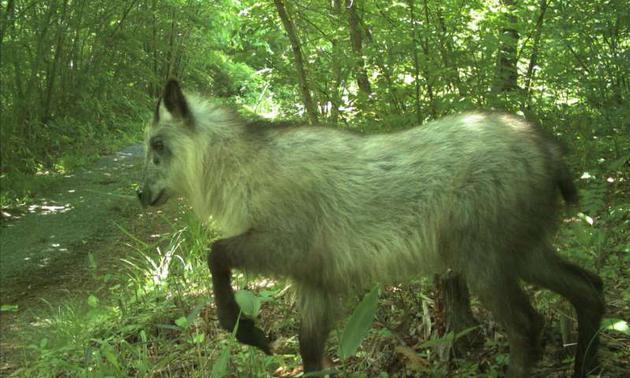
3.Japanese serows are an exception. These goat-like mammals typically keep their distance from humans, but in the higher-altitude, inhabited areas of Fukushima, their presence is frequently observed. Researchers suggest that this may represent an adaptive behavioral adjustment, where the serows avoid the wild boars that are abundant in the evacuation zones.
Other species that were frequently captured in the no-man’s land and restricted human activity zones include raccoons, Japanese martens, and Japanese macaques. Hinton pointed out that the latest study is not an assessment of animal health but rather an observational record of the region’s wildlife populations. This research is significant because it examines the impact of nuclear radiation on wildlife populations—most previous studies focused on the radiation hazards to individual animals. In this study, the no-man’s land was used as a control area to minimize human interference.
Scientists noted that although there had been no previous statistics on wildlife numbers in the evacuation zones, these areas share similar geographical features and terrain with human-inhabited zones, making them ideal observation sites.
The research team also evaluated the influence of other variables, such as the distance from main roads, the times recorded by the cameras, vegetation types, and altitude. Beasley explained, “From mountainous regions to coastal habitats, the terrain varies greatly, and we know that different species thrive in these areas. To account for these factors, we incorporated habitat and landscape characteristics—such as altitude—into our analysis.”
Based on these analyses, our study shows that human activity levels, altitude, and habitat type are the primary factors affecting species numbers, rather than radiation levels.
The results indicate that the activity patterns of most species are consistent with their known behaviors. For instance, raccoons are nocturnal and more active at night, while pheasants are diurnal and more active during the day. However, wild boars in the no-man’s land were observed to be more active than those in human-inhabited zones, suggesting that they may alter their behavior in the absence of human presence.
However, the Japanese serow remains an exception. Despite being a goat-like mammal that normally avoids human contact, it is frequently spotted in the high-altitude, inhabited areas of Fukushima. Researchers believe that this behavior might be an adaptation, as the serows seem to steer clear of the wild boars that are plentiful in the evacuation zones.
Related posts
